Why Visit Washington, DC, With Kids?
Washington, DC, is an excellent destination for families because it combines educational attractions with outdoor adventures and engaging cultural experiences. Children can learn about American history, discover dinosaurs, explore space exhibits, and see famous landmarks they may have studied in school. Many attractions are free, making the city an appealing choice for families planning a vacation on a budget.
The city also offers parks, interactive museums, seasonal events, and opportunities to explore different neighborhoods. Parents can create an itinerary that balances sightseeing with playtime, meals, and rest. Whether your children enjoy science, animals, history, or outdoor activities, Washington, DC, offers plenty of ways to keep the entire family engaged.
Best Things to Do in Washington, DC, With Kids
Finding the best things to do in Washington DC with kids starts with choosing attractions that match your children’s interests and energy levels. The National Mall is an excellent starting point because several famous monuments and museums are located within the same general area. Families can combine educational experiences with scenic walks and memorable photographs.
Consider spreading your sightseeing across multiple days instead of trying to visit every major attraction at once. A balanced Washington DC family itinerary allows children to enjoy each experience without becoming exhausted. Include indoor activities, outdoor exploration, and time for snacks and breaks to make the trip enjoyable for everyone.
Explore the National Mall and Famous Monuments
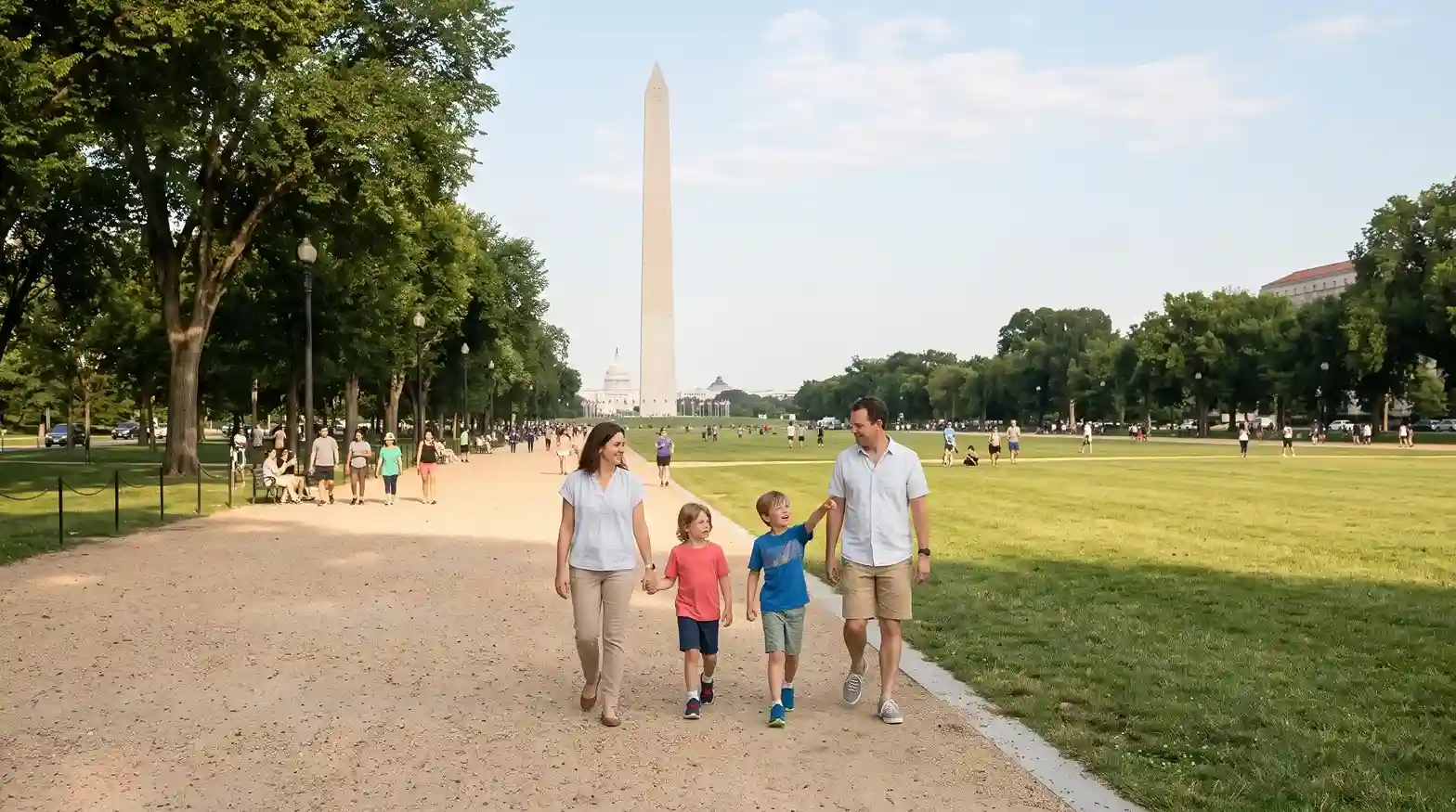
The National Mall is one of the best places to begin a family sightseeing adventure. This expansive area features iconic landmarks, open lawns, walking paths, and several Smithsonian museums. Children can see important monuments in person while learning about the people and historical events that helped shape the United States.
Visit the Lincoln Memorial, Washington Monument, World War II Memorial, and nearby memorials during your stay. The open spaces are ideal for photographs and short breaks between attractions. Families should wear comfortable shoes, carry drinking water, and allow extra time for walking, particularly when traveling with younger children.
Discover the Smithsonian Museums
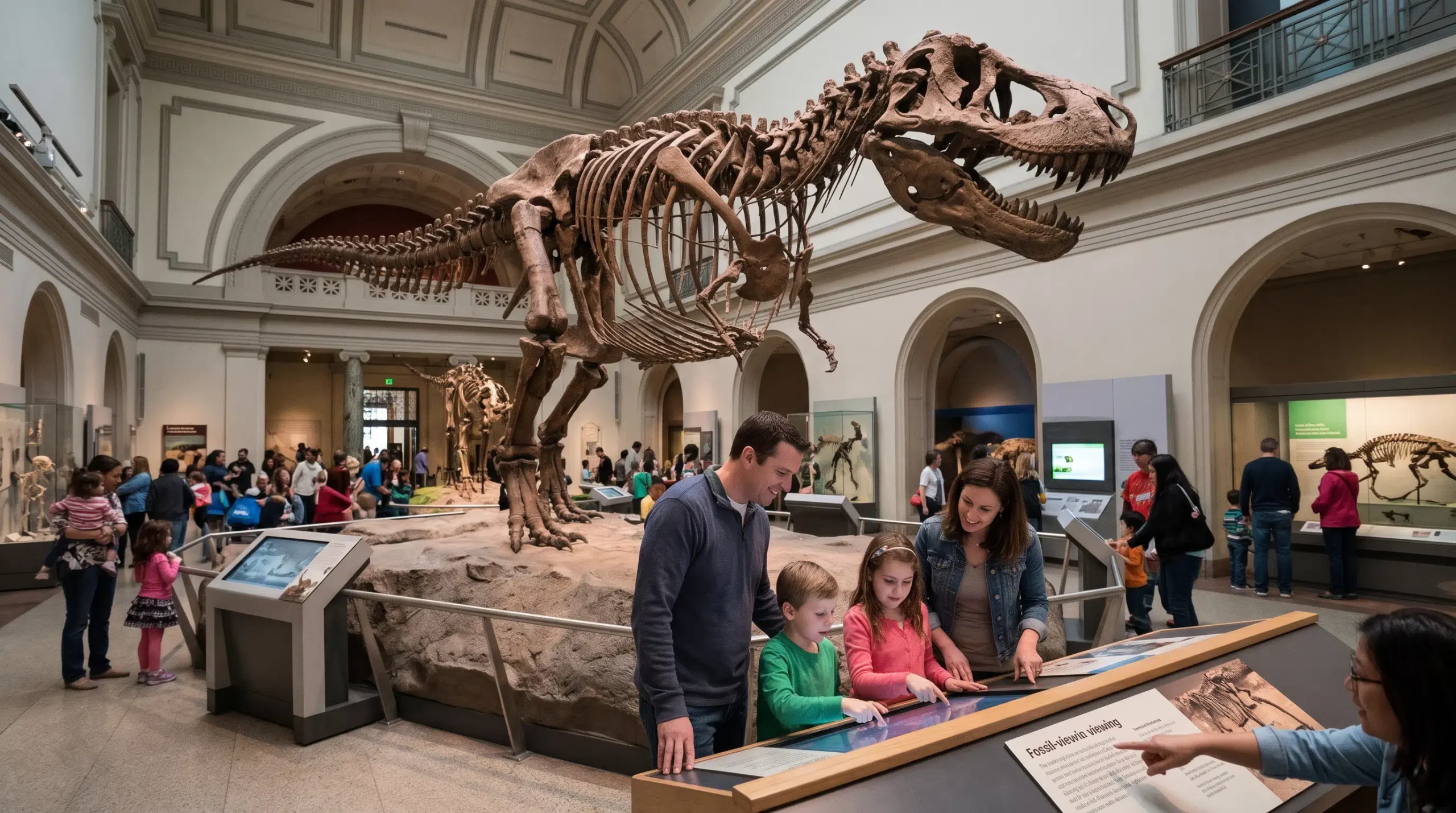
The Smithsonian museums are among the most popular family-friendly attractions in Washington, DC. Many offer free general admission, although special exhibitions, timed-entry reservations, or particular experiences may have separate requirements. These museums allow children to learn through fascinating collections, engaging displays, and interactive exhibits.
The National Museum of Natural History is a favorite for families interested in dinosaurs, animals, gems, and the natural world. The National Air and Space Museum appeals to children curious about rockets, aviation, planets, and space exploration. Check official museum websites before visiting because opening hours, exhibitions, and entry arrangements can change.
Visit the Smithsonian National Zoo
The Smithsonian’s National Zoo is another appealing destination for families traveling with children. Kids can discover wildlife, learn about animal habitats, and understand why conservation matters. The zoo offers an opportunity to spend time outdoors while introducing younger visitors to the diversity of the natural world.
Plan your visit around the animals and exhibits your family most wants to see. The grounds can involve considerable walking, so comfortable shoes, water, and rest breaks are helpful. Check the zoo’s official website for current hours, animal viewing information, and any reservation requirements before setting out.
Explore the National Children’s Museum
The National Children’s Museum offers an engaging environment for younger visitors who enjoy hands-on learning and imaginative play. Its exhibits connect science, technology, engineering, arts, and mathematics with activities designed to encourage curiosity. This can be an especially useful stop when planning a trip with preschoolers and elementary-school-aged children.
Consider visiting the museum when you want a break from traditional monument sightseeing. Indoor attractions can be valuable during hot, cold, or rainy weather, helping families maintain a flexible itinerary. Review current admission information and age recommendations in advance to determine whether the museum suits your children.
Experience the International Spy Museum
Older children and teenagers may enjoy the International Spy Museum, where espionage, intelligence history, and investigative techniques become part of an interactive visitor experience. The exhibits introduce visitors to the role of secrecy, observation, and technology in intelligence work. It is a memorable alternative for families who want something different from traditional historical attractions.
Because some exhibits involve complex themes, parents should check the museum’s guidance when deciding whether it is appropriate for younger children. Allow enough time to explore without rushing, and check ticket availability before your visit. Combining this museum with a nearby attraction can also help create a convenient day of sightseeing.
Free Things to Do in Washington, DC, With Kids
A Washington DC family vacation does not have to be expensive. Many Smithsonian museums provide free general admission, while famous monuments and memorials offer opportunities for sightseeing without a standard admission charge. Families can enjoy educational activities, outdoor exploration, and beautiful views while keeping more of their budget available for meals, accommodation, and transportation.
The National Mall is a convenient place to discover several free attractions in one area. Children can learn about American history at the memorials, explore museum collections, and enjoy time outdoors between visits. Always verify the latest entry rules for individual attractions, since special events, guided experiences, or timed-entry requirements may affect your plans.
Enjoy Parks and Outdoor Family Activities
Outdoor activities are an important part of a family trip to Washington, DC. Families can walk around the Tidal Basin, explore public green spaces, enjoy a picnic where permitted, and take photographs near the city’s famous landmarks. Spring can be especially appealing during cherry blossom season, although flowering dates and crowd levels vary each year.
If you are traveling with toddlers, schedule shorter outdoor excursions and choose convenient places for breaks. Older children may enjoy longer walks and exploring multiple memorials in a single outing. Check the weather forecast before leaving your accommodation and bring sun protection, suitable clothing, and enough water.
Visit the United States Capitol Area
The U.S. Capitol is an important landmark for families interested in government and American history. Exploring the surrounding area provides an opportunity to discuss how the country’s legislative system works and why the building is significant. Children can connect classroom lessons with real-world places and historical institutions.
If you would like to tour the Capitol building, check the official visitor information for current tour arrangements and reservation requirements. Security procedures and access restrictions may affect your visit. Planning ahead is particularly important during school holidays and busy travel periods.
Best Family-Friendly Tours in Washington, DC
Exploring a new city can be challenging when you are traveling with children, especially if you have limited time. Guided sightseeing experiences can help families understand the significance of major landmarks, navigate between attractions, and organize their day more efficiently. The right tour also reduces the pressure of planning every detail independently.
DC Nation Tours offers sightseeing experiences that travelers can explore when arranging their Washington, DC, visit. Depending on availability and the type of experience you choose, a guided outing may be a practical way to discover the city’s monuments, historical sites, and notable attractions. Review the itinerary, duration, transportation arrangements, and suitability for children before booking.
Guided Monument and Sightseeing Tours
Guided sightseeing can make a visit to Washington, DC, more informative for parents and children alike. A knowledgeable guide can explain the stories behind famous landmarks, provide historical context, and help visitors understand why these locations matter. This approach can be particularly useful for first-time visitors who want to see several major attractions during a short stay.
When comparing DC tours, consider whether the itinerary includes the landmarks your family wants to visit, how much walking is involved, and whether there are opportunities for breaks. Families with strollers or younger children should check accessibility details and transportation arrangements before booking. Choosing a suitable pace can make the experience more enjoyable for everyone.
Discover the City After Dark
Washington, DC, can offer a different atmosphere in the evening, when illuminated monuments and memorials create memorable sightseeing opportunities. An evening outing may be especially appealing to families with older children who want to photograph famous landmarks and experience the capital beyond daytime museum visits. However, parents should consider bedtime routines, temperatures, and how much walking their children can comfortably manage.
Families interested in night tours in Washington should review the schedule, route, duration, and transportation details before choosing an experience. A well-planned evening visit can complement a daytime itinerary without requiring another full day of sightseeing. Bring suitable outerwear and check local conditions, particularly during colder months.
Consider a Customized Family Tour
Every family has different interests, schedules, and accessibility needs. Some children love history and monuments, while others prefer museums, animals, or interactive attractions. A customized sightseeing experience may help families prioritize the places that matter most instead of following a packed itinerary designed for a different group.
Before booking, discuss the ages of your children, preferred attractions, mobility considerations, and available time with the tour provider. Ask about the total duration, meeting point, inclusions, and any additional costs. Choosing an experience that matches your family’s needs can make your Washington DC vacation more comfortable and rewarding.
A Three-Day Washington, DC, Itinerary for Families
A three-day Washington DC itinerary for families offers a practical starting point for first-time visitors. It provides enough time to experience major landmarks, explore selected museums, and enjoy a few attractions without trying to fit everything into one exhausting day. Adjust the schedule according to your children’s ages, interests, and energy levels.
The following itinerary is a suggested plan rather than a fixed schedule. Check attraction opening hours, special events, reservation requirements, and travel times before finalizing your arrangements. Grouping nearby attractions together can reduce unnecessary travel and leave more time for enjoying the experiences themselves.
Day One — National Mall and Historic Landmarks
Begin your first day with the National Mall and its best-known monuments. Visit the Lincoln Memorial and nearby memorials, and spend time discussing the stories behind each landmark. Depending on your family’s pace, you may also want to see the Washington Monument from the outside or explore a nearby museum.
Keep the afternoon flexible so children can rest, have a meal, and enjoy the outdoor surroundings. Avoid trying to visit every monument in one day because distances can be greater than they appear on a map. If you choose a guided sightseeing experience, check that its route and timing fit your family’s priorities.
Day Two — Museums and Indoor Activities
Dedicate your second day to museums and educational attractions. Choose the National Museum of Natural History for dinosaurs and natural science or the National Air and Space Museum for aviation and space exploration. Visiting one major museum thoroughly may be more enjoyable than rushing through several large buildings.
In the afternoon, consider another nearby attraction if your children still have energy. Alternatively, take a relaxed break at a park or return to your accommodation for some downtime. Check timed-entry requirements and current museum hours before leaving, especially during school breaks and peak travel seasons.
Day Three — Animals, Neighborhoods, or a Family Tour
Spend the third day exploring a different side of Washington, DC. Families who love wildlife can consider the National Zoo, while those interested in government and history may prefer the U.S. Capitol area or another historical attraction. Choose activities based on your children’s interests rather than trying to see every famous location.
You can also use this day for a guided tour or a relaxed visit to a neighborhood with family-friendly dining options. Leave time for souvenirs, photographs, and unexpected discoveries. If you are departing later in the day, keep the final activities close to your planned transportation arrangements.

Practical Washington, DC, Travel Tips for Families
Good planning can make a family vacation significantly easier. Washington, DC, is a walkable sightseeing destination in many areas, but the distances between attractions can be substantial, especially for young children. Consider travel time, weather, accessibility, and meal breaks when deciding how many activities to schedule each day.
Choose Family-Friendly Accommodation
Choosing where to stay in Washington DC with kids depends on your budget, planned attractions, and preferred transportation. Accommodation near the National Mall or a convenient Metro station may reduce commuting time, although central locations can be more expensive. Compare room sizes, family amenities, dining options, and cancellation policies before booking.
If your family plans to visit several museums, a location with convenient public transportation can be especially helpful. However, the best hotel is not necessarily the one closest to every attraction. Consider the overall travel time and comfort of getting back to your accommodation after a long day.
Understand Transportation Options
Washington, DC, offers several ways to travel around the city, including the Metrorail system, buses, walking, taxis, and rideshare services. Public transportation can be useful for reaching popular sightseeing areas, although strollers, transfers, and busy stations may require extra planning. Check current fares, station accessibility, and service updates before traveling.
Families arriving by air should plan their airport transfer in advance, particularly when traveling with luggage or young children. If you are flying into Dulles International Airport, compare available transportation options and allow enough time for traffic and airport procedures. Families who require IAD airport transportation should confirm pickup arrangements, luggage capacity, child-seat availability where needed, and the total fare directly with the provider.
Plan Meals and Snack Breaks
Children often need more frequent breaks than adults, particularly during long days of sightseeing. Identify places to eat near your planned attractions and carry snacks and refillable water bottles where permitted. Having a flexible meal schedule can help prevent tiredness and make the trip more enjoyable.
Washington, DC, offers a range of dining options, from casual cafes to family-friendly restaurants and quick-service meals. Check menus, opening hours, and dietary accommodations in advance if anyone in your family has specific food preferences. Allow extra time for meals during busy periods instead of scheduling activities back-to-back.
Pack for the Weather and Walking
Weather conditions in Washington, DC, vary by season, so check the forecast before packing. Comfortable walking shoes are essential for exploring the National Mall and visiting multiple attractions. Depending on the season, bring layers, rain protection, sunscreen, hats, or warm clothing.
Families with babies or toddlers may also want a lightweight stroller, wipes, spare clothing, and familiar snacks. Before visiting a museum or taking a guided tour, check its bag policy and accessibility information. Packing thoughtfully helps families avoid unnecessary purchases and enjoy the city with fewer interruptions.
Choose the Best Time to Visit
Spring and fall are popular times for a Washington DC family vacation because the weather can be comfortable for outdoor sightseeing. Spring brings cherry blossom season, while autumn can offer pleasant walking conditions and colorful foliage. Both seasons can also attract substantial crowds, so book accommodation and popular experiences early when possible.
Summer is suitable for families who prefer school-holiday travel, but hot and humid weather can make long outdoor walks tiring. Winter may bring fewer crowds at some attractions, although temperatures can be cold and daylight hours shorter. The best time to visit Washington DC with family ultimately depends on your schedule, budget, and children’s preferences.
Make Your Family Trip Easier With DC Nation Tours
Planning a family vacation involves more than choosing famous attractions. Parents must coordinate transportation, tickets, meals, walking distances, and activities that suit different ages. A thoughtfully planned sightseeing experience can help reduce the stress of organizing every part of the trip independently.
DC Nation Tours is a resource to consider when exploring guided sightseeing options in the capital. Before choosing a tour, review the published itinerary, duration, meeting arrangements, and inclusions to determine whether it fits your family’s needs. You can visit the official website at https://dcnationtours.com/ to explore the available experiences and contact the company with questions about your travel plans.
For the best results, combine guided sightseeing with independent time at museums, parks, and other attractions. This approach allows families to benefit from organized exploration while maintaining the flexibility to rest, discover new places, and adjust plans as needed.
Frequently Asked Questions About Visiting Washington, DC, With Kids
What are the best things to do in Washington, DC, with kids?
Some of the best family activities include exploring the National Mall, visiting the Smithsonian museums, seeing the monuments, and discovering wildlife at the National Zoo. Families can also consider the National Children’s Museum and the International Spy Museum, depending on children’s ages and interests. Choose a manageable number of attractions each day to avoid rushing.
Is Washington, DC, a good destination for a family vacation?
Yes, Washington, DC, is a strong choice for families interested in history, science, culture, and outdoor activities. Many major attractions offer free general admission, which can help families manage their travel budget. A balanced itinerary with indoor and outdoor activities makes the destination suitable for a wide range of ages.
How many days do you need in Washington, DC, with kids?
Three days is a useful starting point for a first family visit because it allows time for major monuments, selected museums, and another family activity. Families with younger children may prefer a slower schedule, while those interested in several museums may need additional days. The ideal length of stay depends on your interests and pace.
What are the best free attractions in Washington, DC, for children?
The National Mall, many monuments and memorials, and the general-admission collections at many Smithsonian museums are excellent options. Families can explore American history, science, and culture without paying a standard admission fee at these locations. Always check official websites for current opening hours, timed-entry rules, and special exhibition charges.
Which museums in Washington, DC, are best for kids?
The National Museum of Natural History is a great choice for children interested in dinosaurs and animals, while the National Air and Space Museum appeals to young space and aviation enthusiasts. The National Children’s Museum can suit younger visitors who enjoy hands-on learning. Check age guidance, exhibits, and entry requirements before planning your visit.
What is the best time to visit Washington, DC, with family?
Spring and fall are often attractive seasons for family sightseeing because temperatures can be comfortable for outdoor activities. Cherry blossom season is particularly popular, but it can bring larger crowds and changing bloom dates. Summer and winter can also work well if you plan around heat, cold, and daylight hours.
Is a guided sightseeing tour worth it for families?
A guided tour can be useful for families who want historical context, a structured route, and help navigating the city’s major attractions. It may also save planning time for first-time visitors. Compare the itinerary, walking requirements, transportation, duration, and price to determine whether a tour provides value for your family.
How can families get around Washington, DC?
Families can use the Metro, buses, walking routes, taxis, and rideshare services, depending on their destinations and needs. Public transportation can be convenient, but the best option depends on children’s ages, stroller requirements, luggage, and travel distances. Check current service information and accessibility details before setting out.
Where should families stay in Washington, DC?
Many families prefer accommodation near the National Mall or within easy reach of a Metro station. The right location depends on your budget, preferred attractions, room requirements, and transportation plans. Compare total costs and travel times rather than choosing accommodation based on distance alone.
How can families plan a Washington, DC, vacation on a budget?
Start with free monuments, memorials, parks, and Smithsonian museum collections. Book accommodation early, compare transportation options, and plan meals around your budget. Prioritizing a few must-see attractions instead of paying for too many activities can make the trip more affordable and less tiring.
Final Thoughts on Planning a Kid-Friendly DC Trip
A family trip to Washington, DC, can combine learning, adventure, and quality time in a memorable way. From the monuments along the National Mall to the Smithsonian museums, outdoor spaces, and guided sightseeing experiences, the city offers plenty of options for families with different interests. The key is to create a realistic itinerary that leaves room for rest, flexibility, and spontaneous discoveries.
With thoughtful preparation, comfortable transportation, and age-appropriate activities, parents can make the most of their time in the nation’s capital. Explore your sightseeing options with DC Nation Tours, plan around your family’s priorities, and prepare for a rewarding Washington, DC, vacation that children and adults can enjoy together.